How to serve socca with Mediterranean style
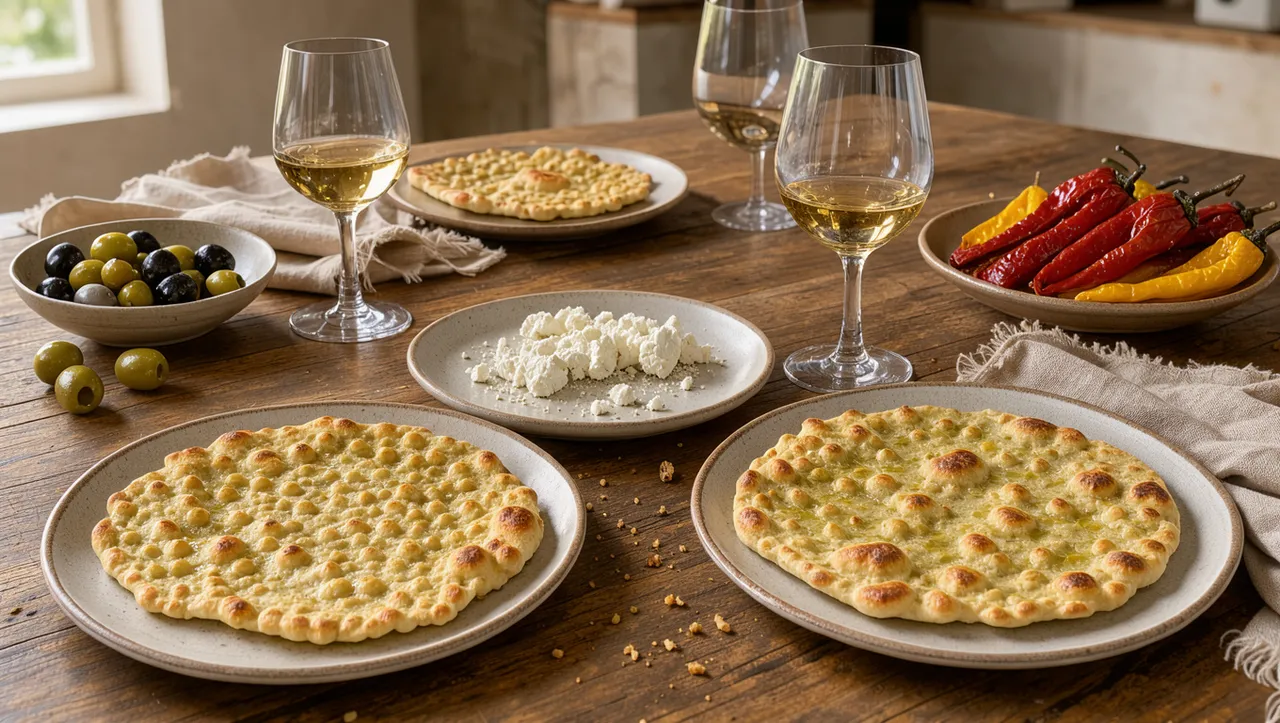
Socca brings the warmth of the French Mediterranean to the table with very little ceremony. This chickpea flatbread, associated with Nice and the Ligurian coast, has a deeply golden surface, crisp fine edges and a tender centre. Served straight from a hot pan, it makes a generous aperitif or light shared meal, especially when paired with sunlit flavours, tactile ceramics and an unfussy table setting.
Socca is at its best when served piping hot
The defining pleasure of socca lies in contrast. Its outer edges should be lightly crisp, while the middle remains supple and almost custardy from the chickpea batter. As it cools, the texture firms and loses some of its aroma, so timing matters more than elaborate garnish.
Cut the socca into irregular wedges or rough squares immediately after baking. A broad metal spatula, pizza wheel or sharp knife works well, depending on the thickness. Bring it to the table in the baking dish, on a warmed platter or on a wooden board lined with a simple linen napkin. Guests can take pieces by hand, which suits the dish’s market-stall heritage.
For a restaurant-focused introduction to this regional speciality, restaurant-laterrasseduport.com offers useful context on socca’s chickpea base, its golden baked finish and the southern French flavours that accompany it. The dish belongs to a Mediterranean repertoire built around olive oil, herbs, peppers and small shared plates. Its appeal comes from direct cooking and immediate serving rather than complex presentation. That approach translates naturally to a relaxed home aperitif.
A small bowl of flaky sea salt and freshly ground black pepper should remain on the table. In Nice, pepper is often used with a generous hand. You may also offer a little fruity olive oil, though a well-made socca already carries enough richness from the oil used in the pan.
A Mediterranean table setting should feel generous rather than formal
Socca suits a table that encourages sharing. Choose pieces with character, but avoid making the setting too precious for a food that is best eaten with the fingers. Hand-finished ceramic plates are particularly well suited, as their weight and irregular glaze complement the rustic look of the flatbread.
A large central platter creates an inviting focal point. Place smaller plates nearby for olives, cheese and roasted vegetables, then let guests build their own combinations. Cream, sand, terracotta, olive green and deep cobalt all echo southern coastal landscapes without turning the table into a theme.
Use practical layers for an easy shared meal
A thoughtful setting can remain uncomplicated:
-
Start with a wide serving platter. A low ceramic platter gives the hot socca room to breathe and makes cutting simple. If you are serving several rounds, warm a second platter in a low oven so each batch reaches the table at a good temperature.
-
Add small bowls with distinct purposes. Use separate bowls for glossy olives, marinated peppers, herb oil and flaky salt. This prevents wet accompaniments from softening the socca before it is eaten.
-
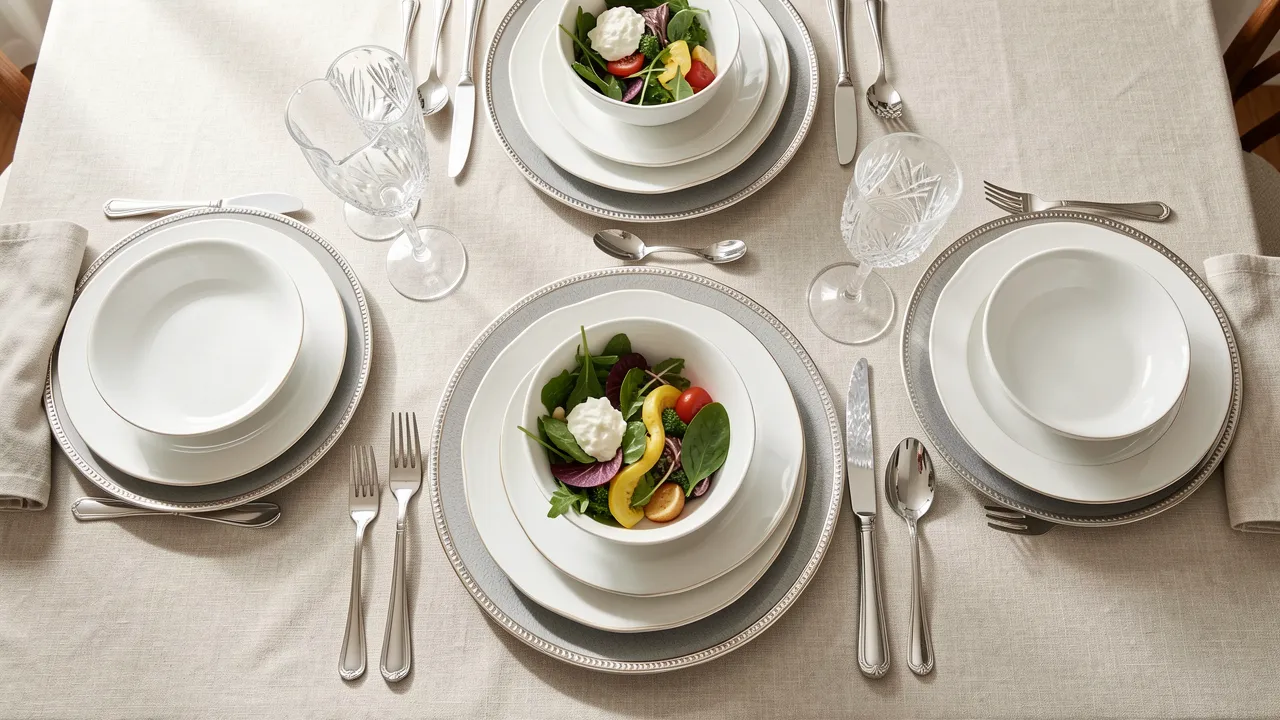
Choose relaxed individual place settings. A small stoneware plate, a folded linen napkin and a water glass are usually enough. Forks are useful for salads and toppings, but the socca itself needs no formal cutlery.
-
Bring in texture through linen and natural materials. A washed linen tablecloth, woven bread basket or wooden trivet softens the look of glazed ceramics. These materials also make the table feel closer to a Provençal or Corsican-inspired lunch than a formal dinner service.
-
Keep the centre of the table low. A small bowl of lemons, a few herb sprigs or a short vase of olive branches adds colour without blocking conversation. Tall floral arrangements compete with the food and make sharing less comfortable.
Salty, creamy and roasted accompaniments balance socca beautifully
Because socca has a mild nutty flavour, it welcomes ingredients with brightness, salt and acidity. The best accompaniments should support the flatbread rather than cover its toasted character.
Start with good olives, ideally a mix of green olives and small black Niçoise-style olives. Their briny intensity provides contrast to the warm chickpea batter. A dish of roasted red peppers, dressed with olive oil, garlic and a little vinegar, adds sweetness and a silky texture.
Goat’s cheese is another natural partner. Serve a fresh, tangy chèvre in small pieces beside the socca, with thyme or oregano scattered over the top. A firmer aged goat’s cheese works well too, particularly if you are serving wine. For a brighter plate, add shaved fennel with lemon, or a simple salad of rocket and herbs.
Avoid heavy, creamy dips that overwhelm the flatbread. If you would like a sauce, choose a restrained spoonful of tapenade, lemony yoghurt with mint, or an herb-rich pistou. Each offers flavour without masking the toasted chickpea notes.
Wines should refresh the palate and echo the coast
Wine for socca should be lively enough to cut through olive oil and salty accompaniments. A dry Provençal rosé is an easy choice, especially with roasted peppers, olives and a late-afternoon aperitif. Look for a style with citrus, red berry and herbal notes rather than overt sweetness.
A Corsican Vermentino, often labelled Vermentinu locally, is especially persuasive with socca and goat’s cheese. Its saline edge, pale fruit and floral lift complement Mediterranean herbs and preserve the dish’s sense of freshness. Dry Picpoul de Pinet and a mineral white from Cassis also work well.
If red wine is preferred, select a light, low-tannin bottle served slightly cool. A fresh Cinsault or a restrained Grenache-based red can sit comfortably beside roasted vegetables and olive tapenade. Full-bodied, heavily oaked wines tend to dominate the delicate chickpea flavour.
Serve socca as the centrepiece of a southern French aperitif
A successful socca table depends on heat, simplicity and contrast. Prepare the accompaniments in advance, set out the ceramics and chill the wine before the batter goes into the oven or pan. Once the socca is ready, bring it out without delay and let the table remain informal.
The key details to remember are:
- Serve socca immediately while hot for crisp edges and a soft centre.
- Use large ceramic platters and small shared bowls to encourage easy grazing.
- Pair it with olives, roasted peppers, goat’s cheese and herb-led condiments.
- Choose dry rosé or mineral white wine, particularly Vermentino or Picpoul.
- Keep the styling warm and tactile with linen, stoneware and low centrepieces.
With thoughtful tableware and a few well-chosen Mediterranean flavours, socca becomes more than a snack. It creates a relaxed, flavourful occasion that brings the spirit of the French coast to your own table.