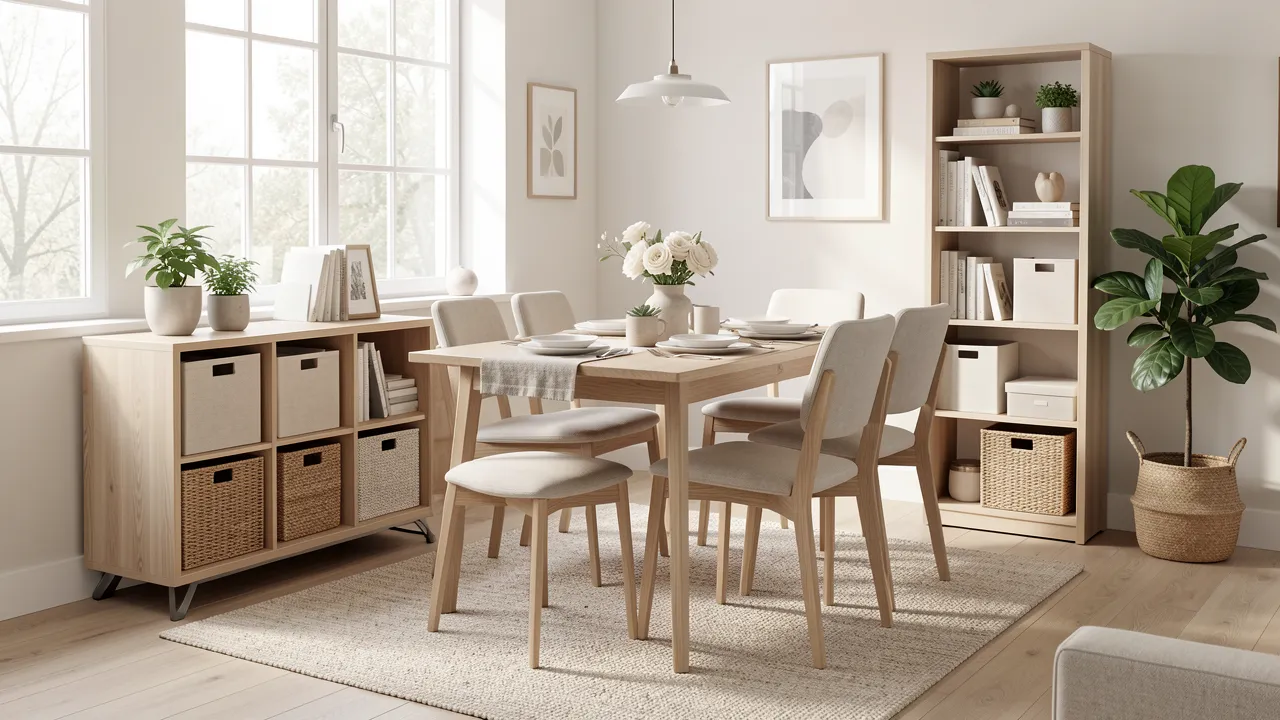







How to layer dinnerware for formal tables
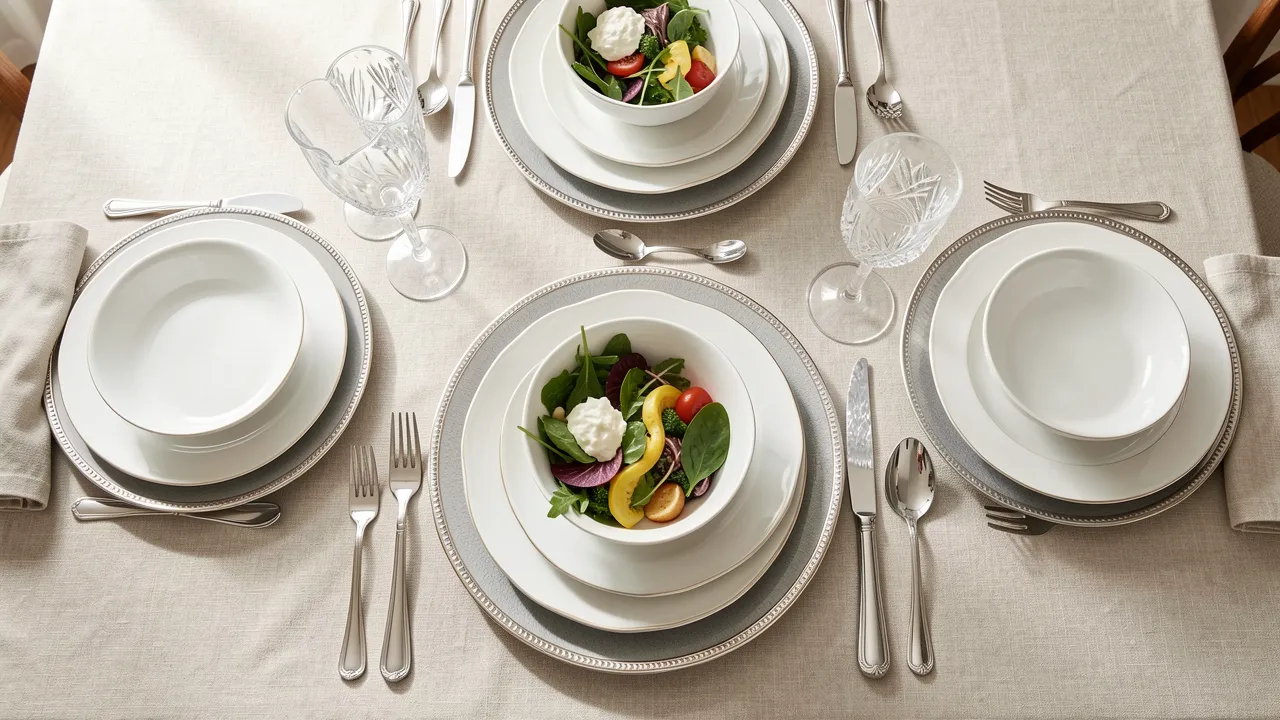
A formal table becomes memorable when each piece of dinnerware has a clear place and a visual relationship with the next. Layering is not about using every item in the cupboard. It is about building a setting that feels generous, balanced and easy for guests to navigate. With the right order, colours and proportions, you can create a restaurant-quality table that supports the meal rather than distracting from it.
Start with the table linen and charger plate
Begin with the foundation. A pressed tablecloth, runner or quality placemat gives the dinnerware a defined frame. For a classic formal setting, white or ivory linen creates a quiet backdrop for porcelain, glass and polished cutlery. A darker cloth, such as charcoal, navy or deep green, can make white plates appear particularly refined.
Place the charger plate first, centred at each seat. This decorative base plate remains on the table through the opening courses and provides the visual anchor for the setting. Choose a charger that contrasts gently with the dinner plate. A gold-rimmed porcelain charger works well with plain white dinnerware, while a matte stoneware charger can soften a more ornate plate pattern.
Allow enough space between place settings. Around 60 centimetres per guest gives diners room to move comfortably and prevents the table from feeling crowded. A formal setting should look abundant, not congested.
Build the plate stack in the order of the meal
The plate stack should follow the sequence in which food is served. Place the dinner plate directly on the charger, then add the salad plate or soup bowl only if it will be used for the first course. If soup is served, position the soup bowl on its matching underplate, rather than directly on the dinner plate.
For a multi-course dinner, remove each used plate before presenting the next one. Stacking several empty plates in anticipation of later courses can look overly staged and makes service less comfortable.
A versatile formal arrangement often includes:
- A charger plate for presentation
- A dinner plate for the main course
- A salad or starter plate for the opening course
- A soup bowl and underplate, where relevant
- A bread plate placed above and to the left of the forks
If you are serving a plated dessert, bring the dessert plate to the table with the course. Dessert cutlery may be set above the charger in advance, although many hosts prefer to present it with dessert for a cleaner appearance.
Use colour and texture to create depth
Layering works best when the pieces share a visual language. You may combine porcelain, bone china, glass and metallic details, but limit the number of dominant finishes. For example, white porcelain with a fine platinum rim, clear crystal glassware and silver-toned cutlery creates a restrained, traditional look.
For a warmer, contemporary table, pair cream stoneware with smoked glass, brushed brass cutlery and linen napkins in a muted natural shade. The contrast between smooth glaze, woven fabric and reflective metal gives the setting depth without relying on loud colours.
Patterned dinnerware deserves a little space. If your plates feature a detailed border, select plain linen and uncomplicated glassware. Conversely, simple white plates can carry a more decorative napkin ring, coloured water glass or floral centrepiece.
You can find helpful etiquette references in the Emily Post Institute’s guide to table settings, particularly when planning a traditional service with several courses. Etiquette provides a reliable structure, but your materials and menu should still guide the final choices.
Position cutlery and glassware with service in mind
Cutlery is placed according to the order of use, working from the outside inward. The first-course fork sits furthest left, followed by the dinner fork closest to the plate. On the right, place the knife with its blade facing the plate, then the soup spoon furthest right if soup is served.
Keep the arrangement purposeful. A seafood fork, fish knife or steak knife belongs on the table only when the menu calls for it. Each item should have a role in the meal.
Set glassware above the knives, beginning with the water glass. Wine glasses can follow in the order they will be used, usually white wine first and red wine slightly above or beside it. A champagne flute may be added for an aperitif or toast, but avoid arranging too many glasses in a tight cluster.
The napkin can sit on top of the starter plate, to the left of the forks, or within a simple napkin ring. For a very formal dinner, a neatly folded linen napkin offers more polish than a sculptural fold that obstructs conversation or hides the dinnerware.
Add personal details without interrupting the setting
Place cards, menus and small favours can make guests feel considered, especially at celebratory dinners. Position a place card above the plate or resting lightly against a glass, ensuring names remain readable from the seated position.
Keep centrepieces low enough for conversation. Flowers, candles and decorative objects should leave an unobstructed line of sight across the table. Unscented candles are generally preferable near food, while a few seasonal stems in low vessels can bring colour to the arrangement.
If you are selecting a gift for a host or marking a milestone meal, Premium Tableware: The Ideal Gift for Special Occasions offers ideas for pieces that can become part of future celebrations.
Refined layering makes formal dining feel effortless
The most successful formal tables combine clear service logic with a sense of occasion. Start with a charger, layer only the plates needed for the first course, and let the menu determine your cutlery and glasses. Use linen, glass and decorative accents to complement the dinnerware rather than compete with it.
- Begin with a centred charger plate and generous spacing between guests.
- Layer plates according to the first course, then clear and reset as the meal progresses.
- Match colours, patterns and finishes with restraint.
- Place cutlery from the outside inward, following the service order.
- Keep flowers, candles and place cards elegant but unobtrusive.
With these principles, your table will feel composed, welcoming and worthy of a formal dining experience.