






How to polish silver flatware safely
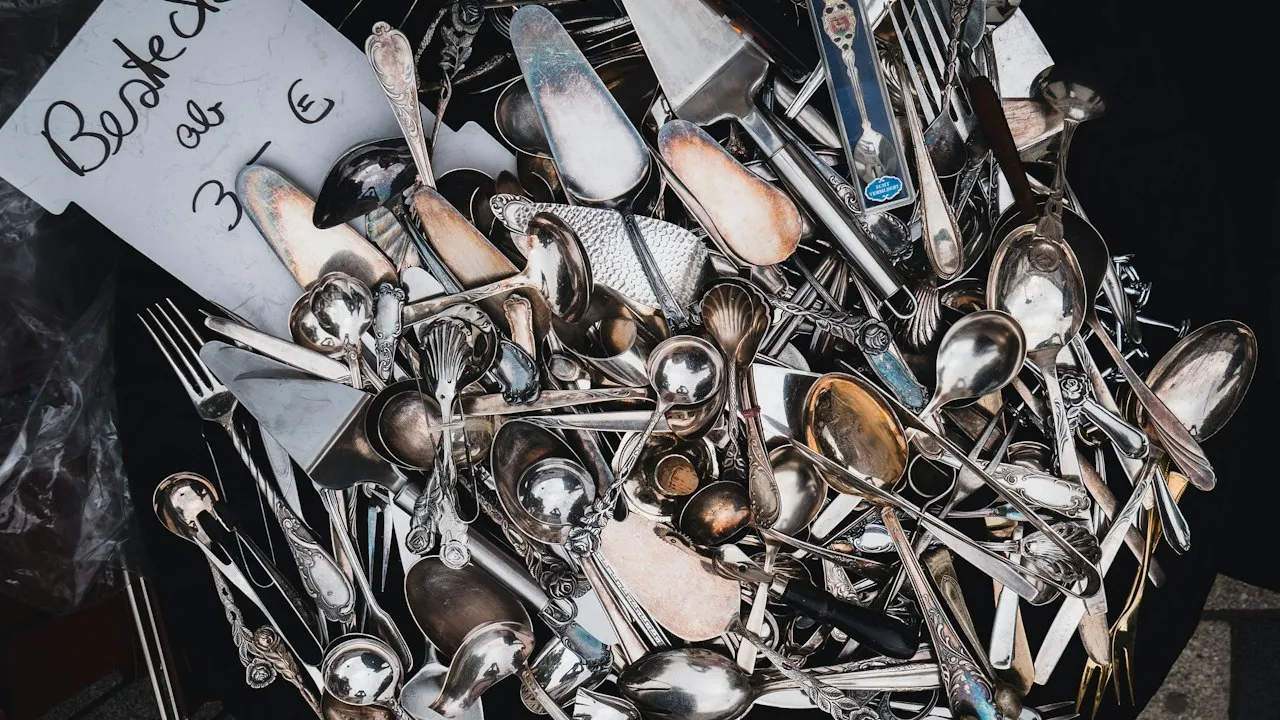
Silver flatware develops tarnish when its surface reacts with sulphur compounds in air, food, rubber, wool, and some storage materials. The dark film may look stubborn, yet safe polishing is less about aggressive cleaning and more about gentle, controlled care. With the right products and handling, you can restore a bright finish while protecting delicate engraving, plated surfaces, and the graceful patina that gives older pieces their character.
Start by identifying the silver and the source of tarnish
Before polishing, check whether your pieces are sterling silver, silver plate, or stainless steel with silver-coloured detailing. Sterling usually carries marks such as “Sterling”, “925”, or British hallmarks. Silver-plated flatware may be marked “EPNS”, “A1”, or “Silver Plate”.
This distinction matters because silver plate has only a thin decorative layer. Repeated use of harsh polishes, abrasive cloths, or scouring pads can wear through that layer and reveal the base metal beneath.
Light yellow or grey tarnish usually responds well to a soft polishing cloth. Heavy black tarnish, sticky food residue, or marks around engraved areas require more patience. First, wash each piece in warm water with a small amount of mild washing-up liquid. Use a soft sponge or cotton cloth, rinse thoroughly, and dry immediately.
For dining spaces where presentation supports hospitality or property appeal, flatware deserves the same consideration as furniture and linens. How dining space design can strengthen a furnished rental investment offers useful perspective on creating a polished, guest-ready table setting.
Choose gentle polishing methods for different levels of tarnish
For routine care, use a commercial silver polish formulated for tableware. Creams and lotions are generally easier to control than liquid dips. Apply a small amount to a soft cotton cloth, rub lightly in straight, even strokes, then buff with a clean dry cloth. Work on one item at a time so polish does not dry in crevices.
Take extra care around decorative patterns, monograms, and beaded edges. Pressing hard can flatten fine detail over time. A soft natural-bristle brush, such as a clean baby toothbrush, can lift residue from recessed areas without scratching the surface.
Avoid household shortcuts that sound convenient but carry risks:
- Do not use toothpaste, baking soda paste, salt, or powdered cleaners.
- Do not scrub with steel wool, paper towels, or abrasive kitchen sponges.
- Avoid prolonged soaking in acidic substances such as vinegar or lemon juice.
- Use silver dips sparingly, if at all, because they can strip desirable surface patina and affect joins or repairs.
A careful polishing routine complements durable everyday choices. For guidance on balancing beauty with practical service, see Durable and Stylish Tableware Tips for Everyday Dining.
Protect details, handles and restaurant service pieces
Some flatware needs specialised handling. Knives with sterling handles often contain a steel blade fitted into a hollow silver handle. Do not immerse these knives for long periods or leave them soaking, as moisture can reach the join and weaken the adhesive or cause corrosion inside the handle.
For antique pieces, oxidation in engraved lines may be intentional. Removing every trace of darkening can make the pattern appear flat and overly new. Polish raised surfaces gently, leaving a subtle contrast in the recesses where appropriate.
In a restaurant or private dining operation, establish a clear workflow. Staff should remove food residue promptly, wash silver separately from aluminium cookware, dry it by hand, and inspect each piece before service. Gloves can prevent fingerprints after final polishing, especially on serving spoons, fish servers, and formal place settings.
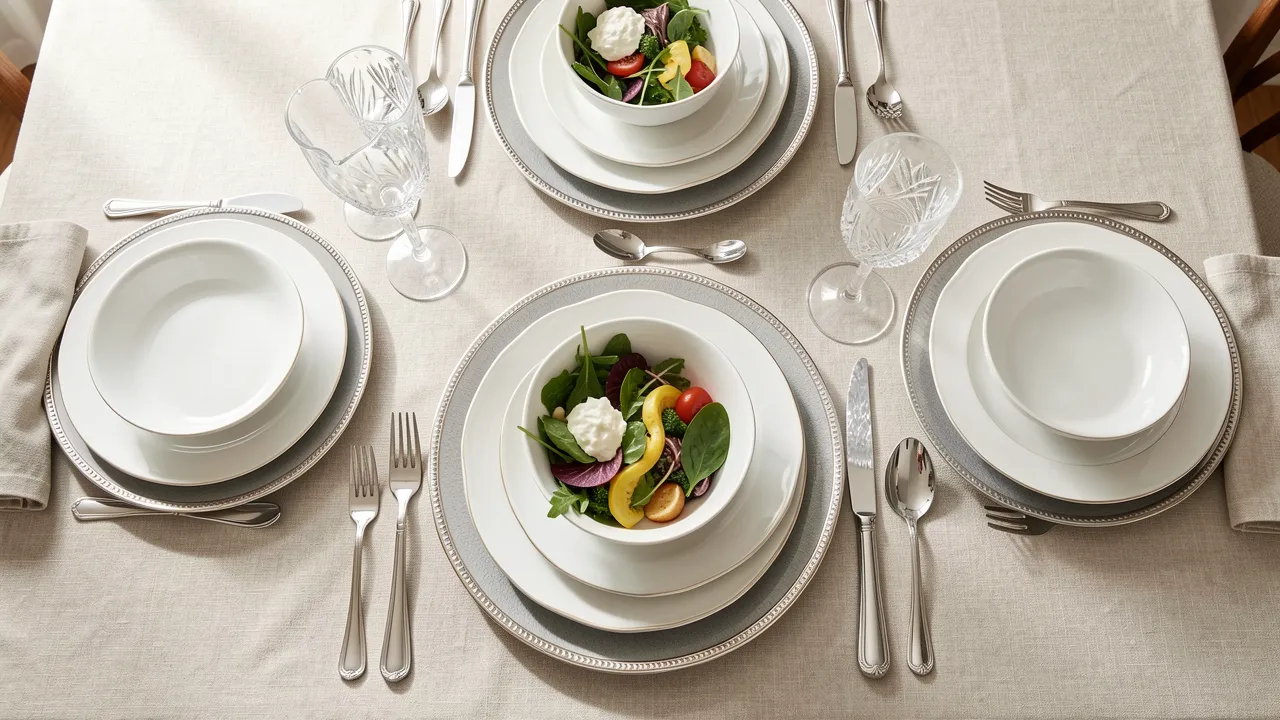
When building a more ceremonial table, silver flatware should support rather than compete with the plates, glassware, and centrepiece. How to layer dinnerware for formal tables provides ideas for arranging these elements with balance.
Store silver flatware so its shine lasts longer
Proper storage reduces how often you need to polish. Once each piece is completely dry, wrap it in treated anti-tarnish cloth or place it in a lined cutlery chest. Individual anti-tarnish pouches are useful for serving pieces and infrequently used sets.
Keep silver away from rubber bands, newspaper, cardboard, wool felt, and untreated wooden drawers. These materials can release compounds that accelerate tarnishing. Silica gel packets may help in humid cupboards, provided they do not touch the metal directly.
For frequently used flatware, a drawer organiser lined with acid-free, non-abrasive fabric offers a practical alternative. Rotate pieces regularly so an entire set ages evenly. If you operate a restaurant, maintain a small reserve of polished flatware for busy services while the main stock is washed, dried, and checked.
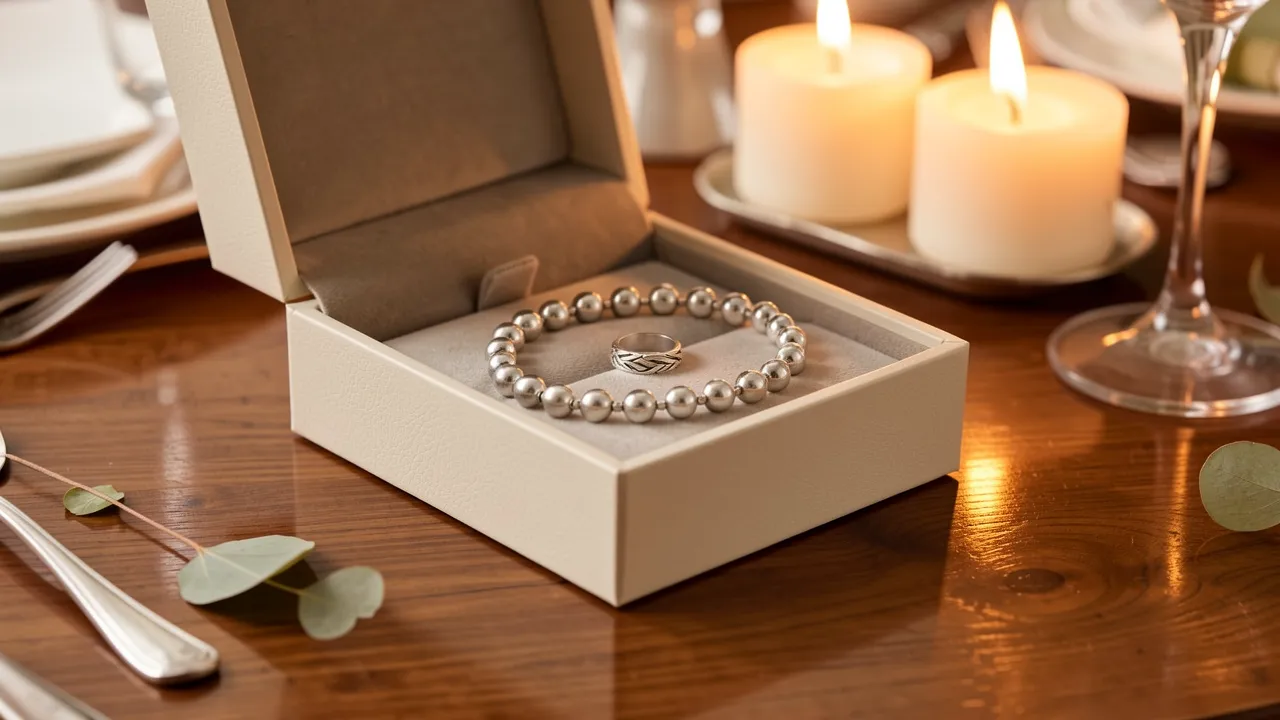
A beautifully maintained table also creates a fitting setting for thoughtful hosting gestures. Choosing jewellery as a refined dinner-party gift considers gift choices that suit an elegant evening occasion.
A lasting shine comes from gentle, regular care
Safe silver care relies on consistency rather than force. A quick wash and thorough drying after use will prevent much of the tarnish that later demands intensive polishing. Reserve deeper cleaning for occasions when the finish truly needs refreshing.
Keep these principles in mind:
- Identify sterling and silver plate before selecting a cleaning method.
- Wash gently with mild soap, then dry immediately with a soft cloth.
- Use a dedicated silver polish in small amounts and buff lightly.
- Protect antique detailing and avoid over-polishing engraved surfaces.
- Store dry flatware in anti-tarnish cloth or a suitable lined container.
- Keep silver separate from abrasive materials, rubber, and aluminium cookware.
With measured care, your silver flatware can retain its lustre, serve guests with confidence, and remain a refined part of your dining collection for many years.